

ʻAHA ʻIMI ʻIKE CONFERENCE
Presented by Mai ʻŌ A ʻŌ
Mahalo nui to Hawaiʻinuiākea School of Hawaiian Knowledge and Hawaiʻi Ponoʻī Coalition for their support.
WATCH NOW
〰️
WATCH NOW 〰️
CONFERENCE RECORDINGS
OUR PRESENTERS
-
![]()
MAILANI MAKAʻINAʻI
-
![]()
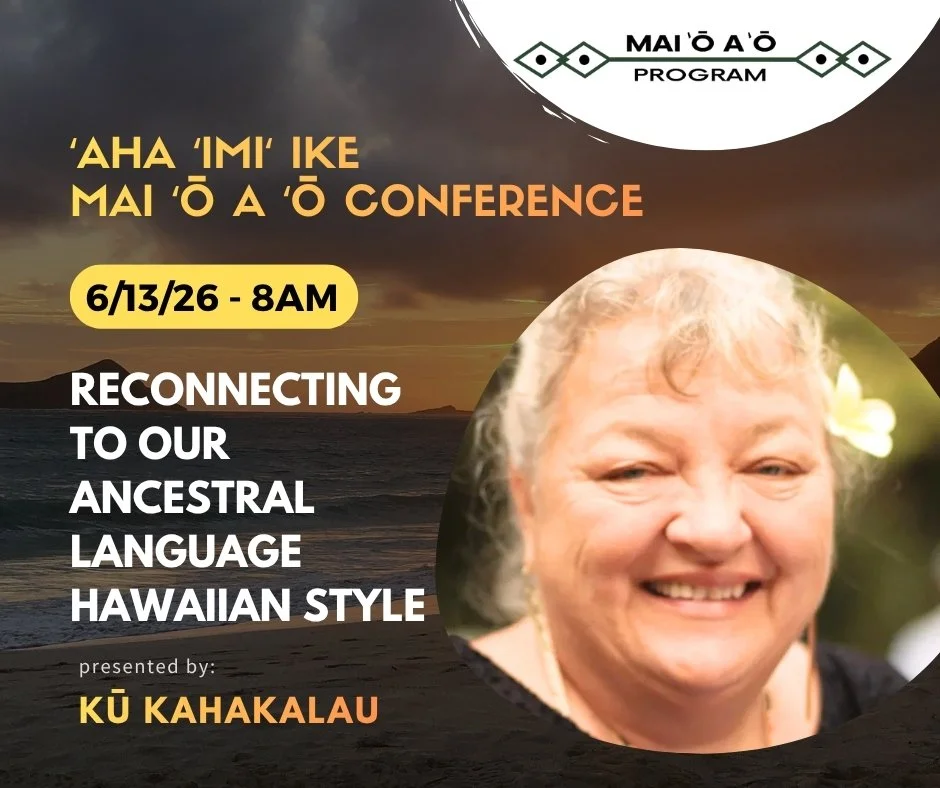
DR. KŪ KAHAKALAU
-
![]()
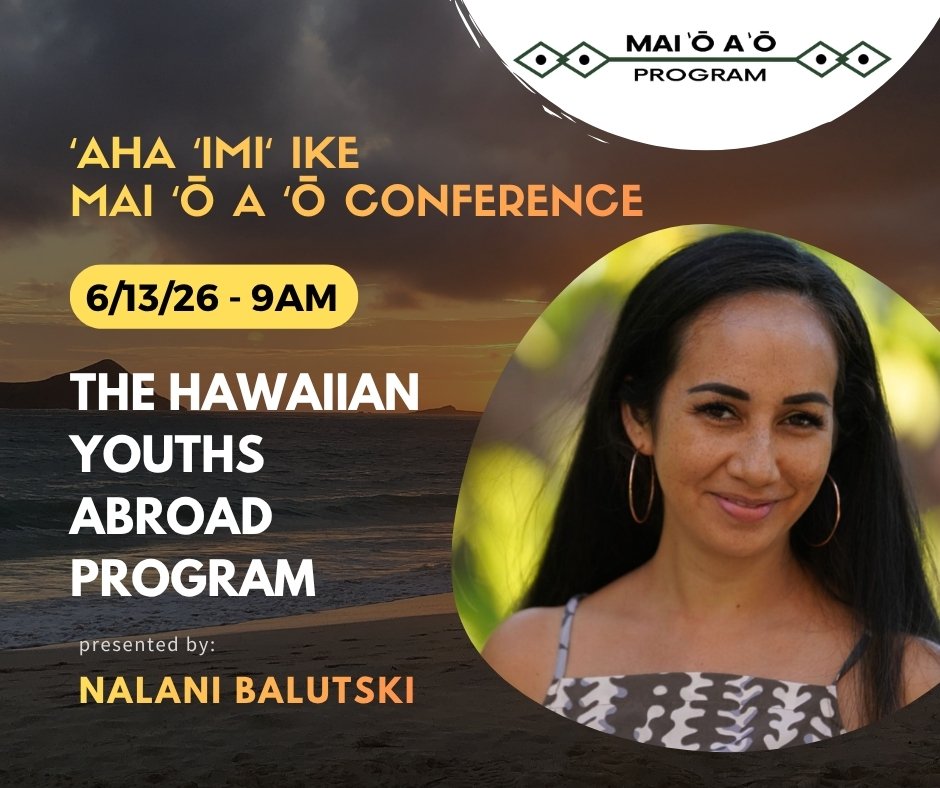
NALANI BALUTSKI
-
![]()
DR. WAIʻALEʻALE ARROYO
-
![]()
CHANTAL KELIIHOOMALU
-
![]()
KAIMI WATSON
-
![]()
MANU KAʻIAMA
-
![]()
KALEI NUʻUHIWA
-
![]()
DR. N. HAʻALILIO SOLOMON
-
![]()
KAUʻI SAI -DUDOIT
-
![]()
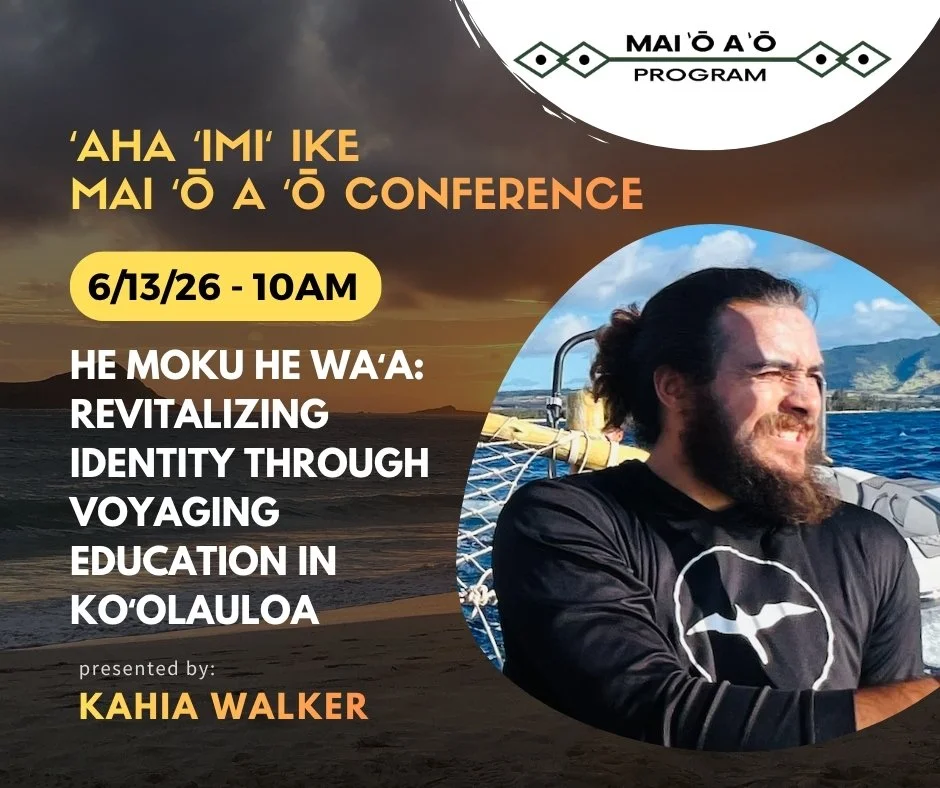
KAHIA WALKER
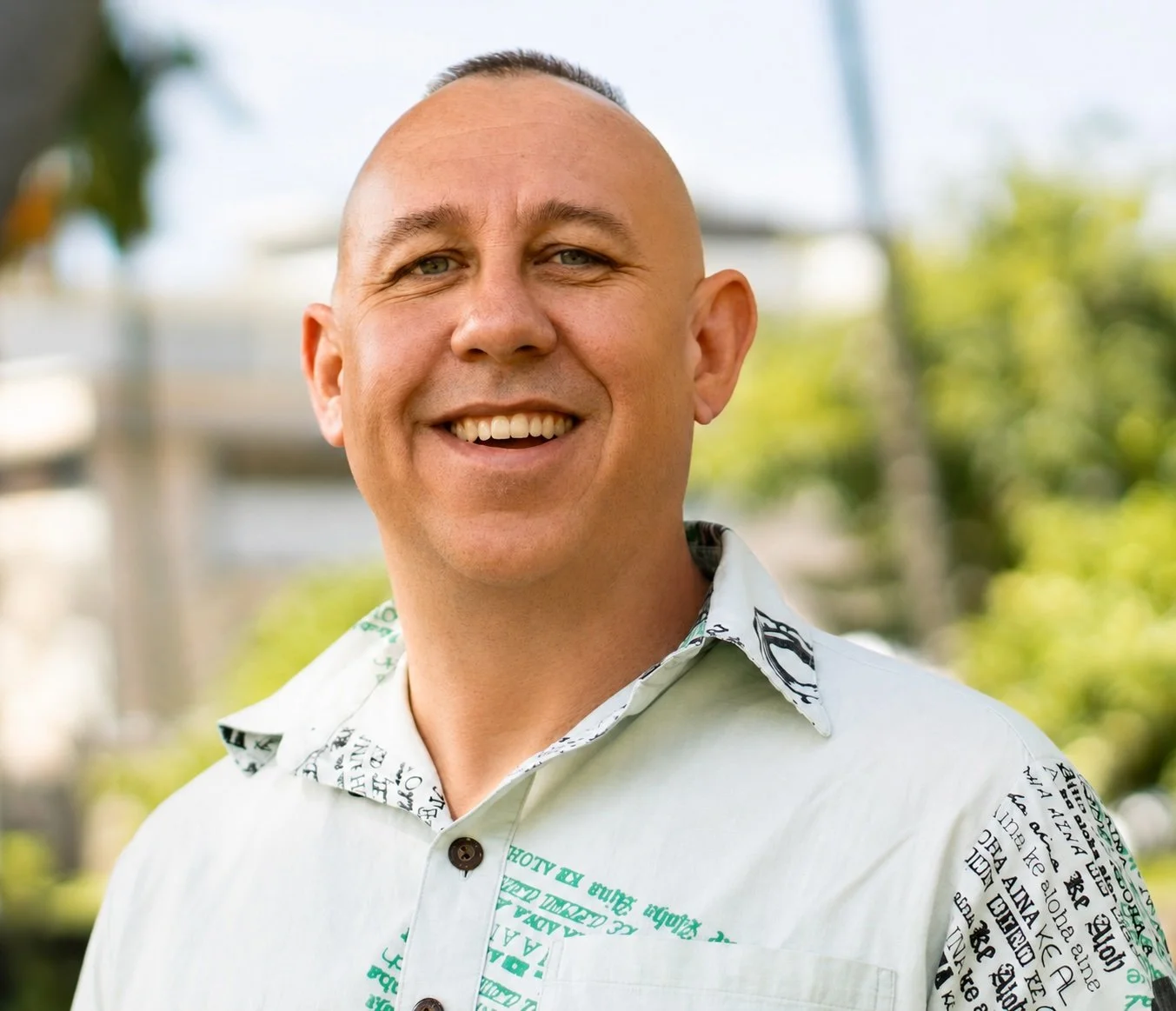
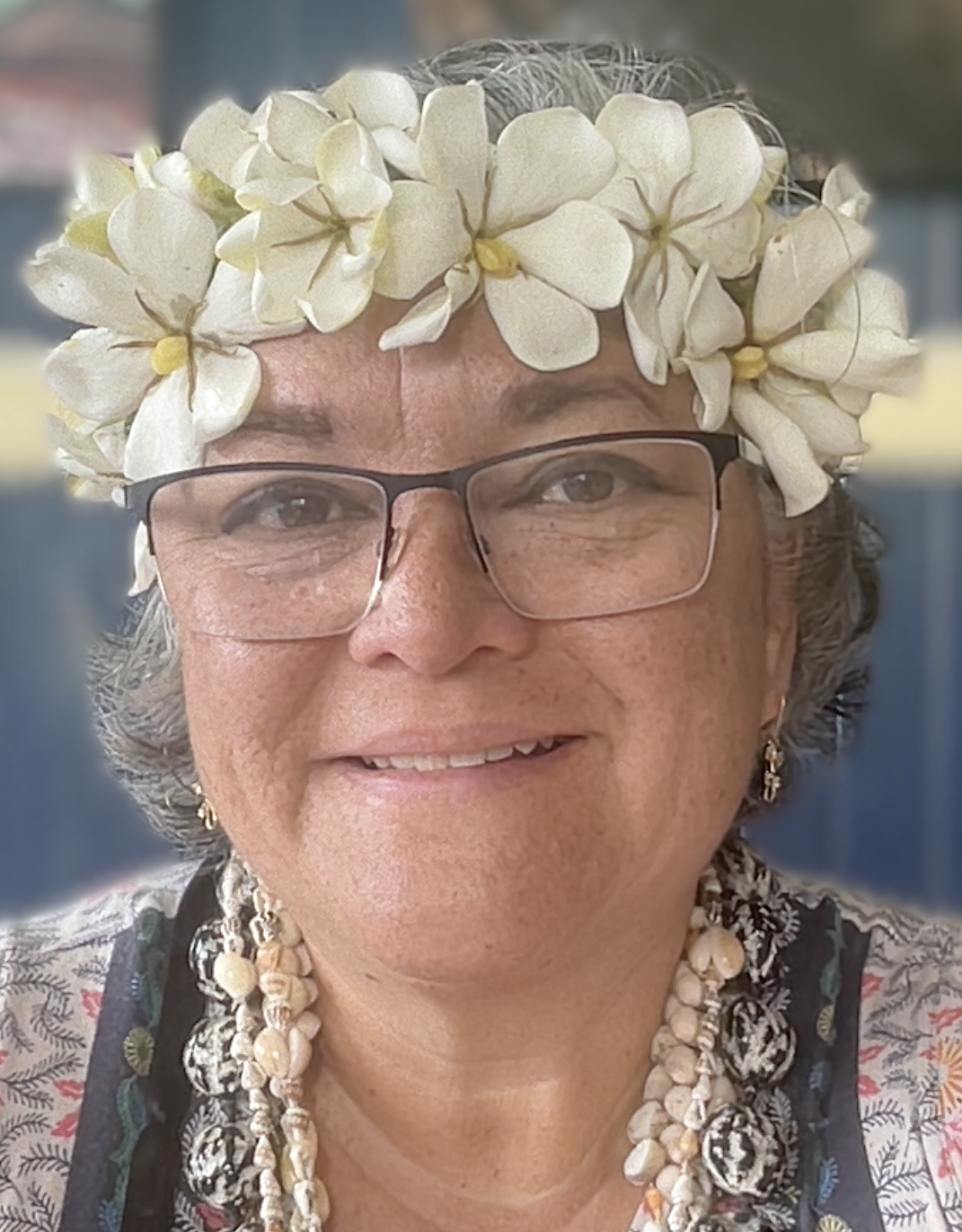
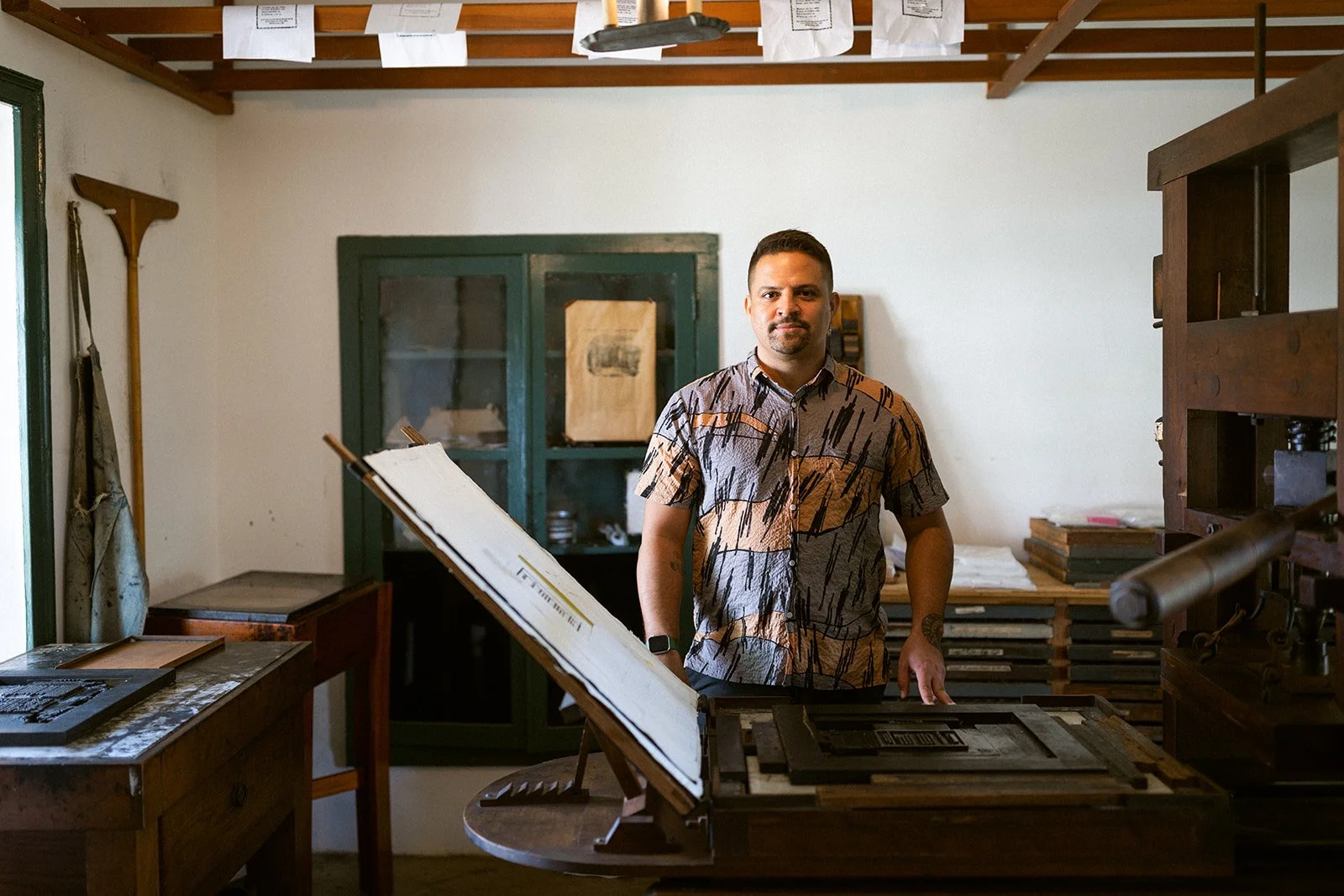
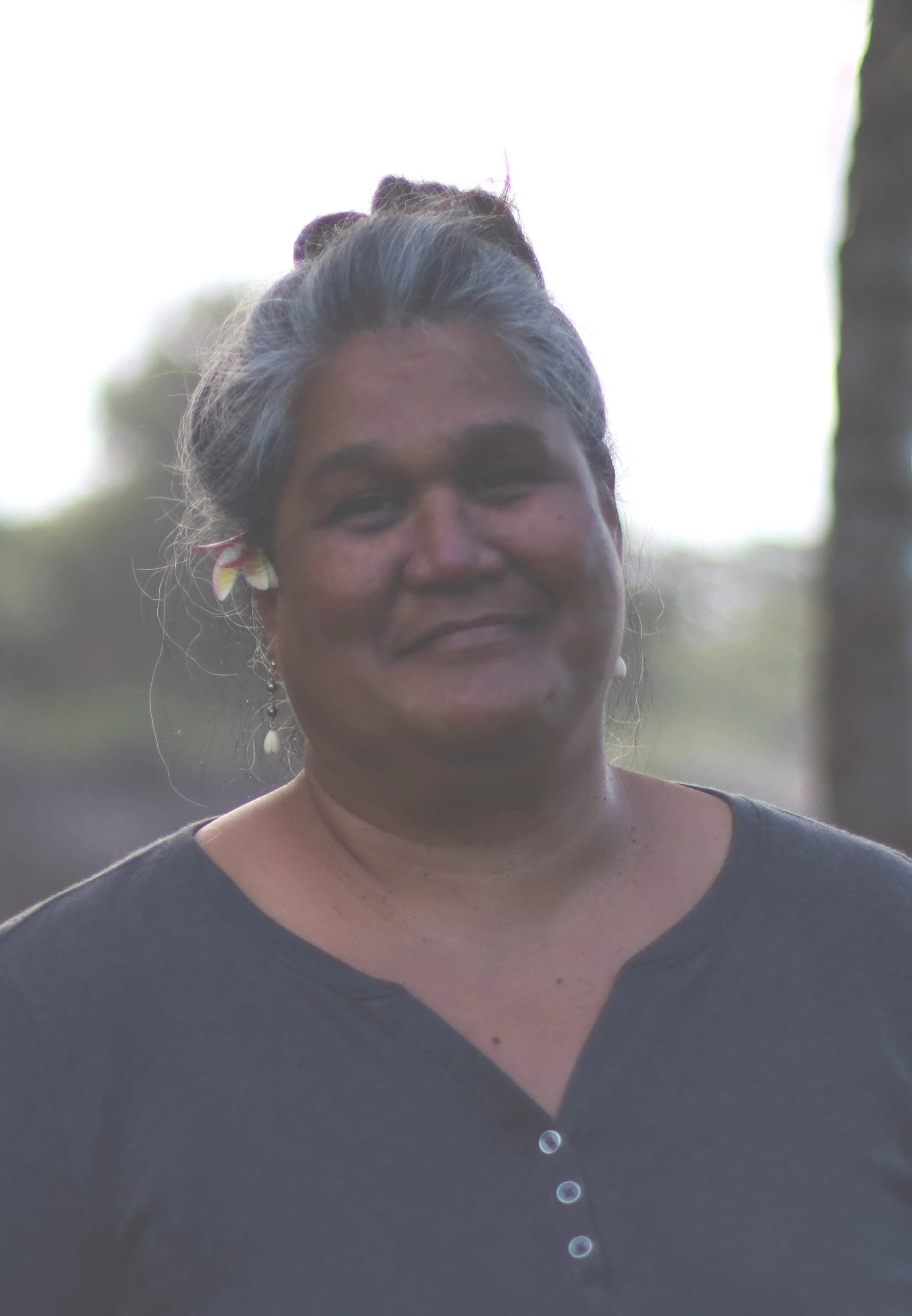


PRESENTER BIOS
-
Presenter
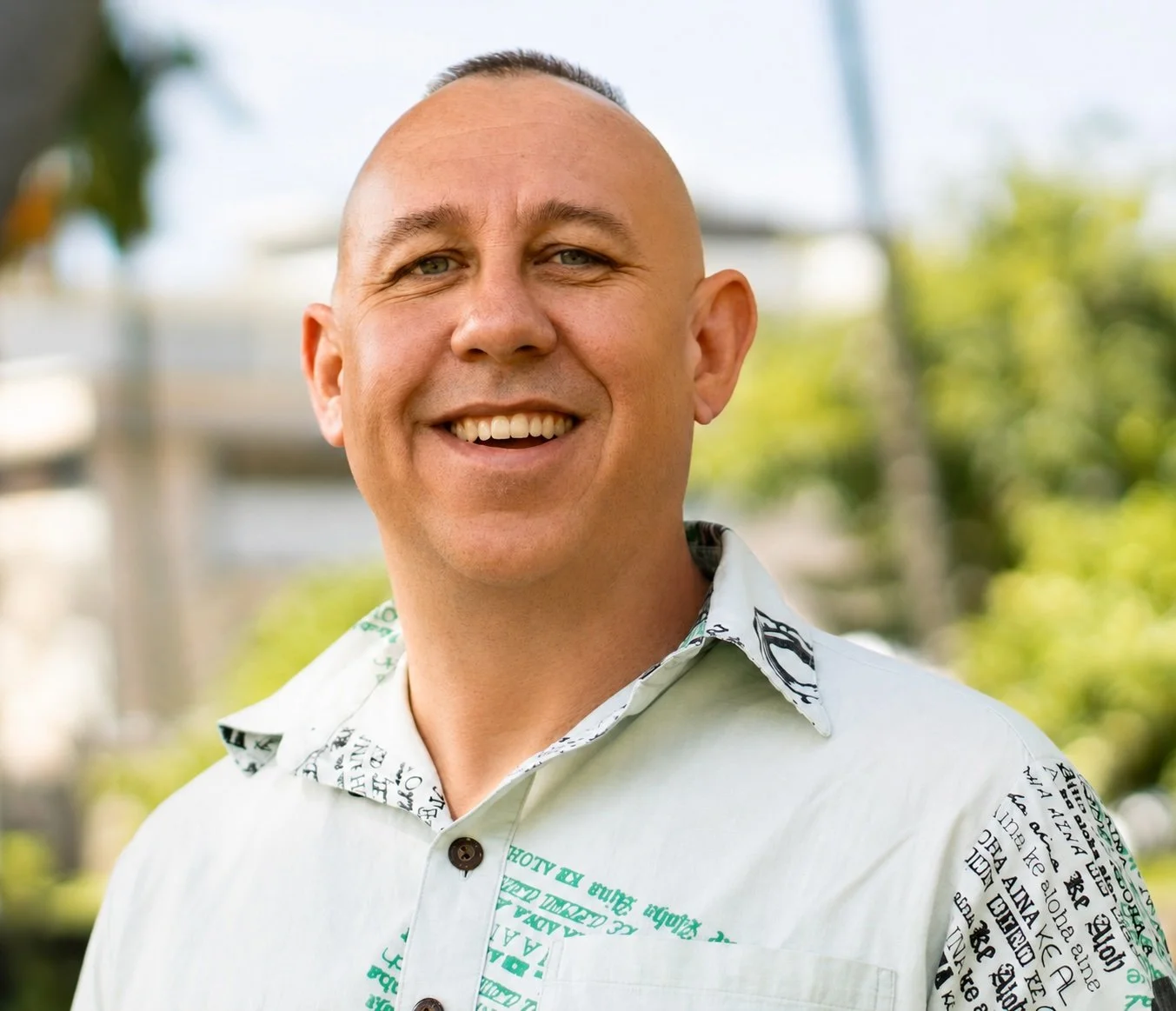
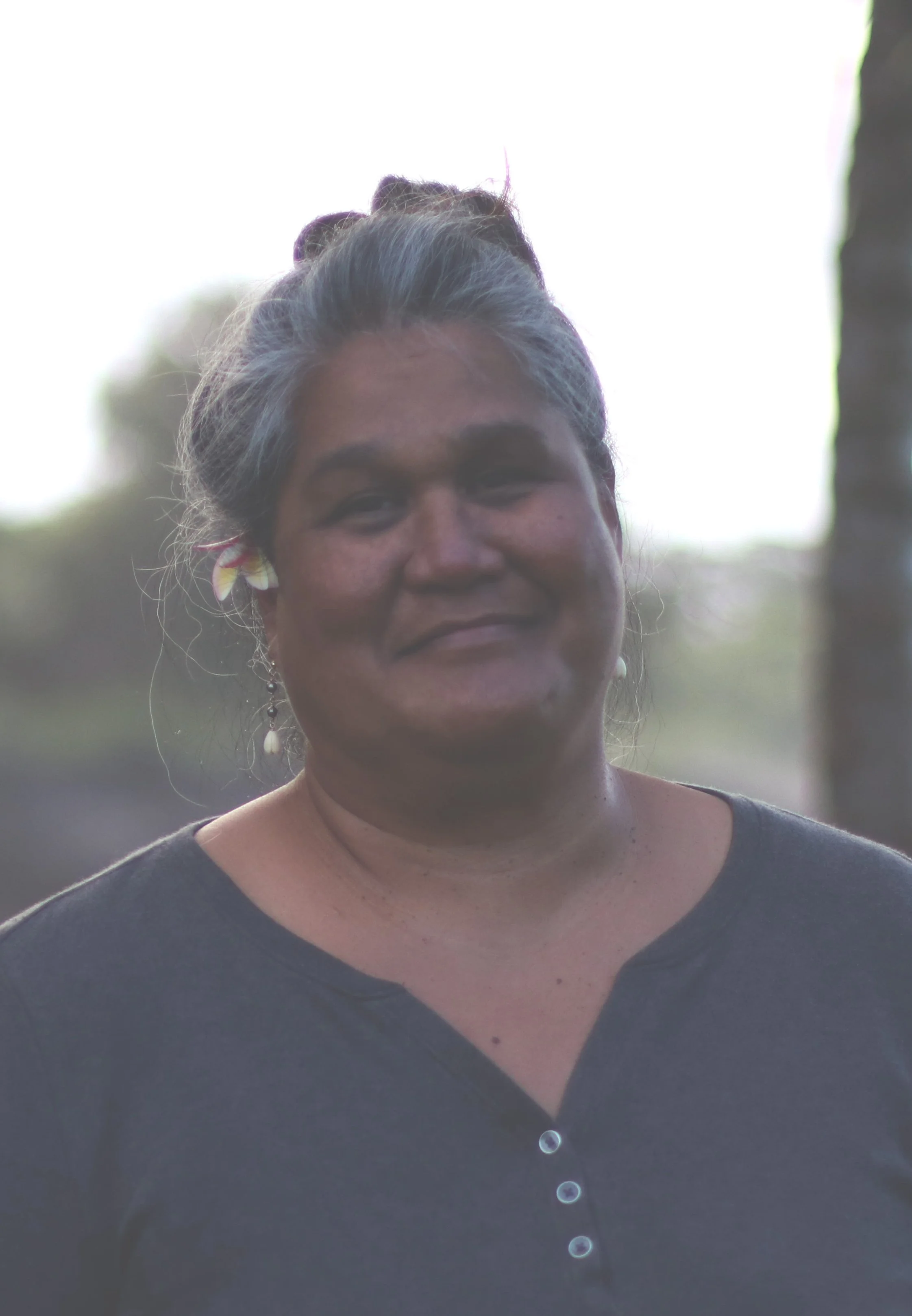
Dr. Kū Kahakalau is an award-winning Native Hawaiian educator, researcher, cultural practitioner and expert in Hawaiian language and culture residing in Kukuihaele on Hawaiʻi Island. The first person in the world with a Ph.D. in Indigenous Education, Dr. Kahakalau has been creating successful culture-based learning opportunities integrating Hawaiian language at very high levels for the past 40 years. This includes culture-based Hawaiian language hands-on immersion summer programs, Hawaiʻiʻs first bi-lingual Hawaiian-focused PK-12 charter school, a bi-lingual culture-based teacher licensing program, and most recently a culture-based asynchronous Hawaiian language program for learners of all ages. She is also President of a culture-based bi-lingual post-secondary education and career training program for young Hawaiians, called EA Ecoversity. EA stands for Education with Aloha, since Dr. Kahakalauʻs research confirms that love, compassion, respect and kindness are the most important ingredients in 21st century education, just like they were in ancient times. EA also means sovereignty in Hawaiian aligning with Dr. Kahakalauʻs efforts as a native community activist to empower native Hawaiian individuals, families and communities to reach their highest potential.
-
Presenter
Kauʻi Sai-Dudoit has served as Programs Director of Awaiaulu since 2011, helping guide major projects that preserve and share Hawaiian knowledge. Formerly Director of the Hawaiian newspaper project Hoʻolaupaʻi, she now leads He Aupuni Palapala, which digitizes Hawaiian-language newspapers while safeguarding the original papers. She also leads the development of Kīpapa Educator Resources, an online platform that brings curated bilingual Hawaiian primary sources into classrooms across Hawaiʻi. A determined mother and Tūtū of a large ʻohana, Kauʻi is committed to preserving and sharing Hawaiʻi’s stories in ways that foster learning, connection, and identity.
-
Presenter
Dr. Kalei Nuʻuhiwa was born and raised on the island of Maui. Kalei is an academic, practitioner, photographer, composer, and mixed media artist. A critical thinker, recognized kilo practitioner, philanthropist and advocate of access to traditional knowledge, she uses ancestral methods to create and enrich healthy environments and situations where people can thrive.
-
Presenter
N. Haʻalilio Solomon is an assistant professor in the Hālau ʻŌlelo Hawaiʻi ʻo Kawaihuelani Center for Hawaiian Language at the University of Hawaiʻi at Mānoa, where he received a PhD in Linguistics. His dissertation, “Attitudes & Ideologies Surrounding ʻŌlelo Hawaiʻi: A Qualitative Study”, facilitates the renormalization of the Hawaiian language by addressing challenges that slow its progress. Haʻalilio’s current research focuses on heritage speakership, revitalization, linguistic landscape, and the phonetics of ʻōlelo Hawaiʻi. His other academic interests include Hawaiian music, hula, and historical research. As a polyglot, his multilingualism shapes his pedagogy and philosophy towards language education, revitalization, and renormalization.
-
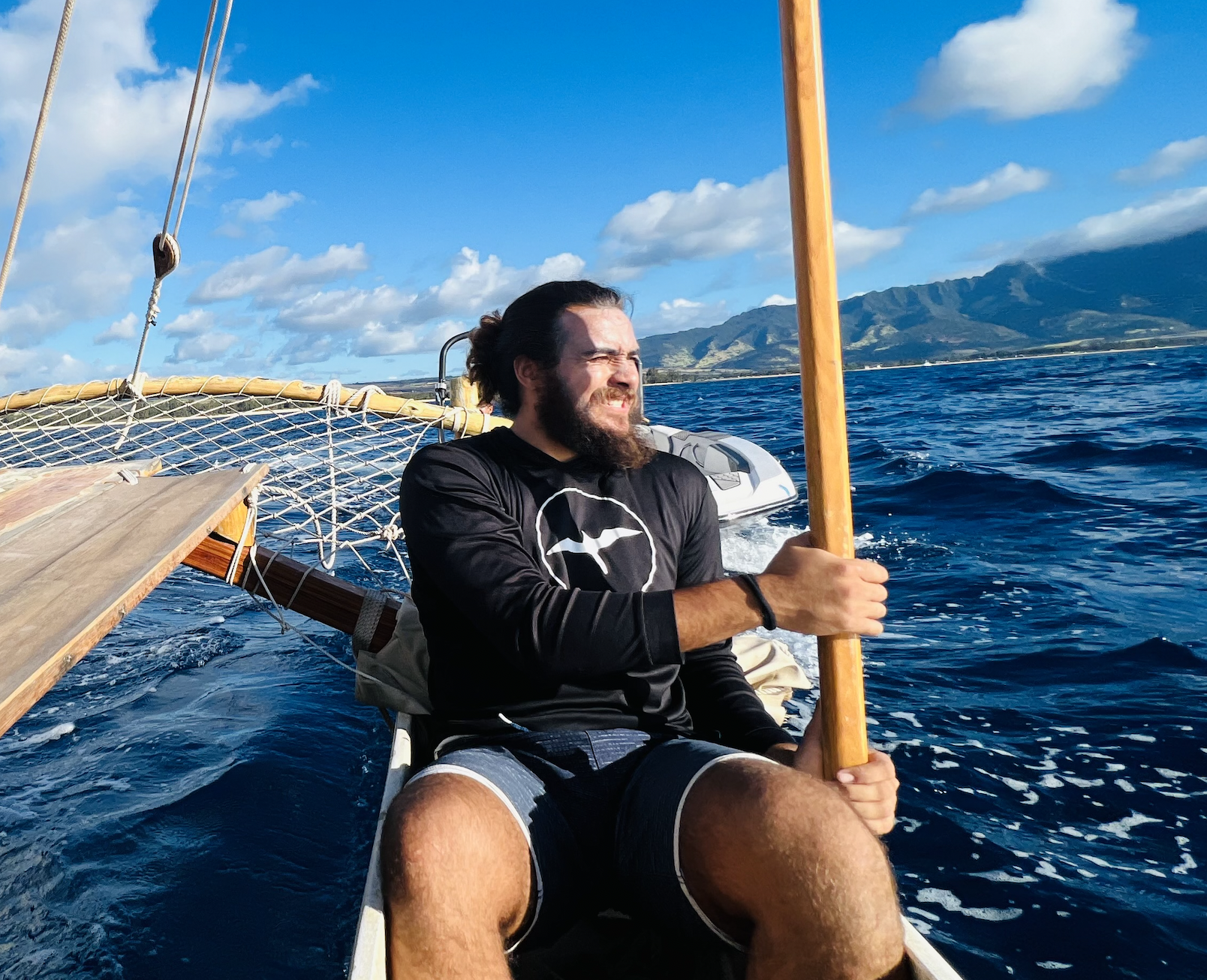
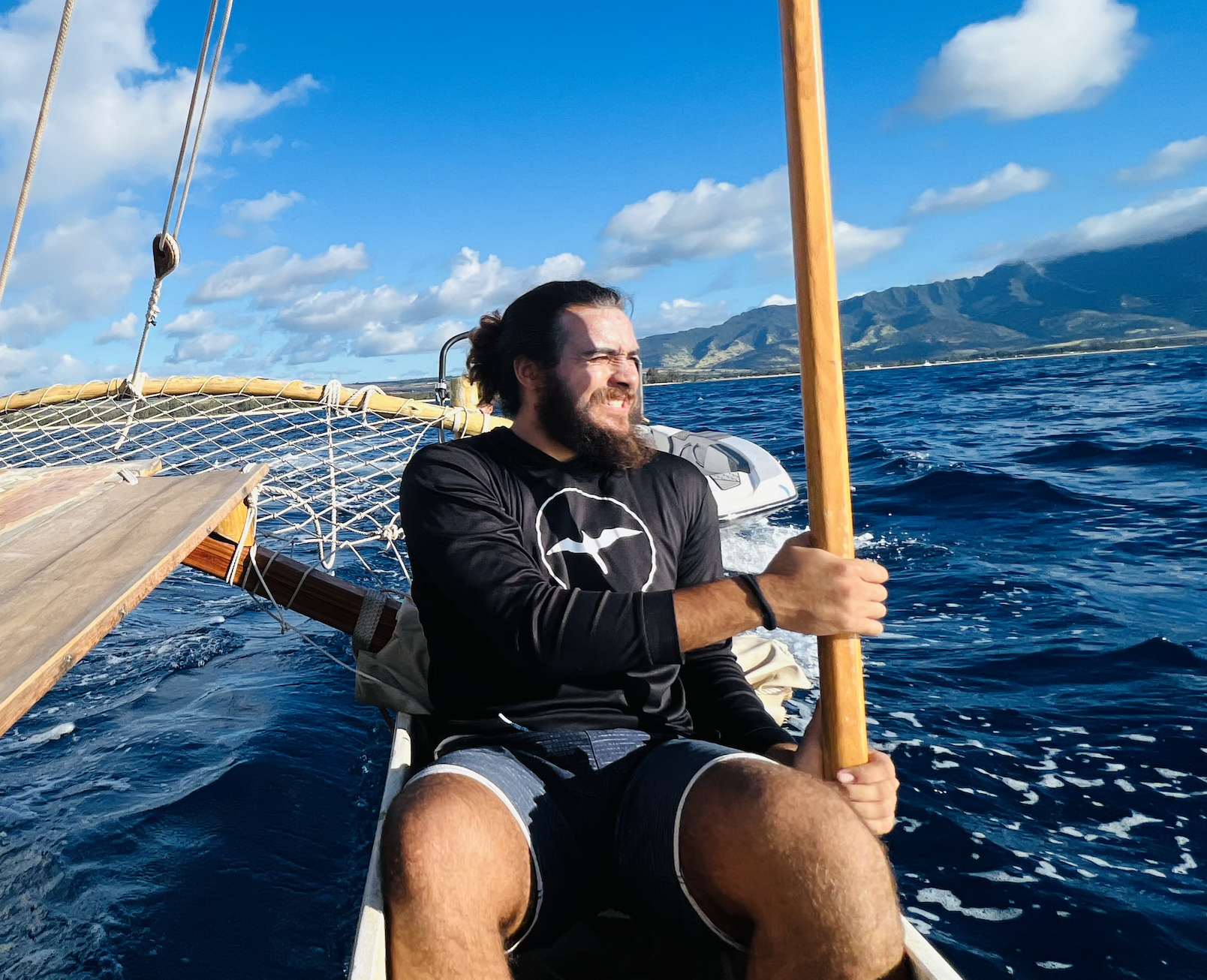
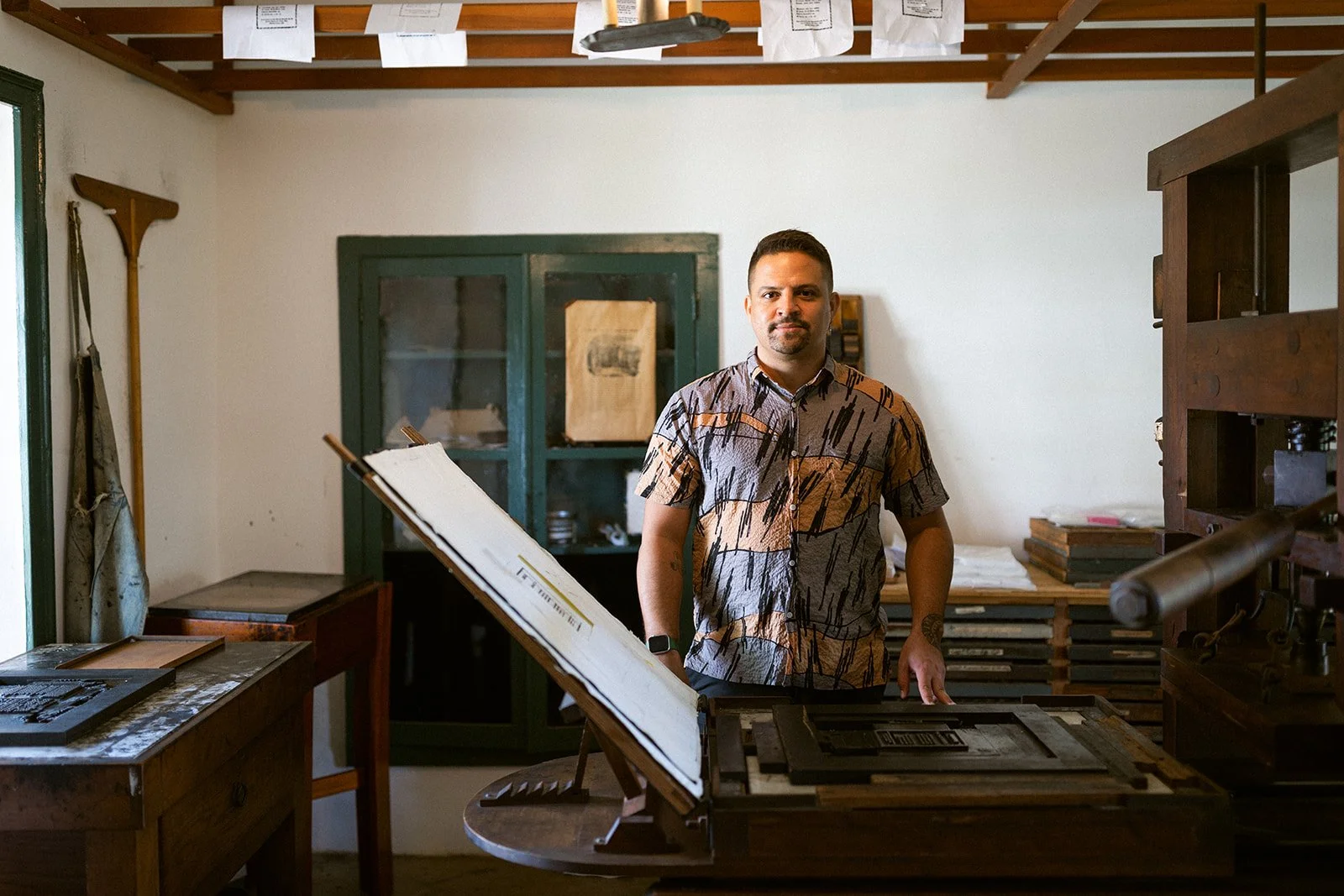
Kahiamaikalani Walker is a Native Hawaiian and Samoan educator, voyager, and founder of Koʻolauloa Voyaging Education. Born and raised in Koʻolauloa, Oʻahu, he works with Tagata Moana Hui Foundation, helping to advance Indigenous Pacific values through education and community engagement.
His passion for voyaging began in third grade through Hawaiian immersion education and deepened through his involvement with the Polynesian Voyaging Society in 2022. Since then, he has sailed aboard several traditional double-hulled canoes, including Hōkūleʻa, Marumaru Atua, and Iosepa. He earned bachelor’s degrees in Applied Mathematics and Hawaiian Studies from Brigham Young University–Hawaiʻi.
Inspired by the haʻawina of the waʻa, Kahiamaikalani felt a kuleana to bring those experiences home so local keiki could learn, grow, and see themselves reflected in this ʻike. In 2025, he founded Koʻolauloa Voyaging Education under Tagata Moana Hui Foundation, creating a place-based Waʻa Class program that serves students across the region. -
Presenter
He kama kena i ka wai maikai o Ahuimanu, he mea imi i na mea apau e hiki ke imi aku ai. I am the ʻIke Hawaiʻi Geosciences Specialist with Hawaiʻi Sea Grant's Ulana ʻIke Center of Excellence, where I knot moolelo and ike Hawaii into nets of knowing and unknowing across Geosciences, Philosophy, History, and Political Theory to advance epistemic sovereignty in Hawaii and the Pacific. As a kolohe practitioner, my work as a Kanakademic, trained by the academy in both social and geosciences, challenges haole knowledge systems and settler-supremacy, centers ike Hawaii in academic practice, and develops community-driven approaches to knowing Hawaii.
-
Presenter
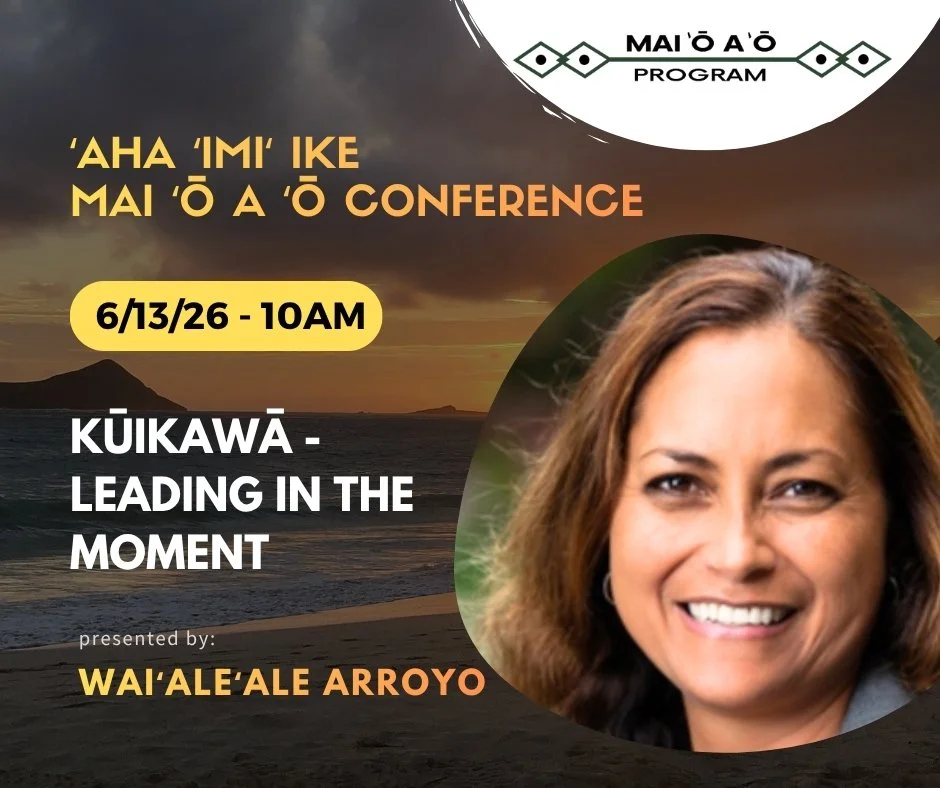
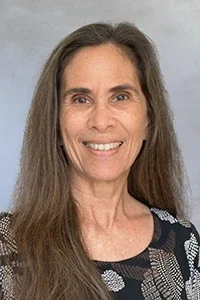
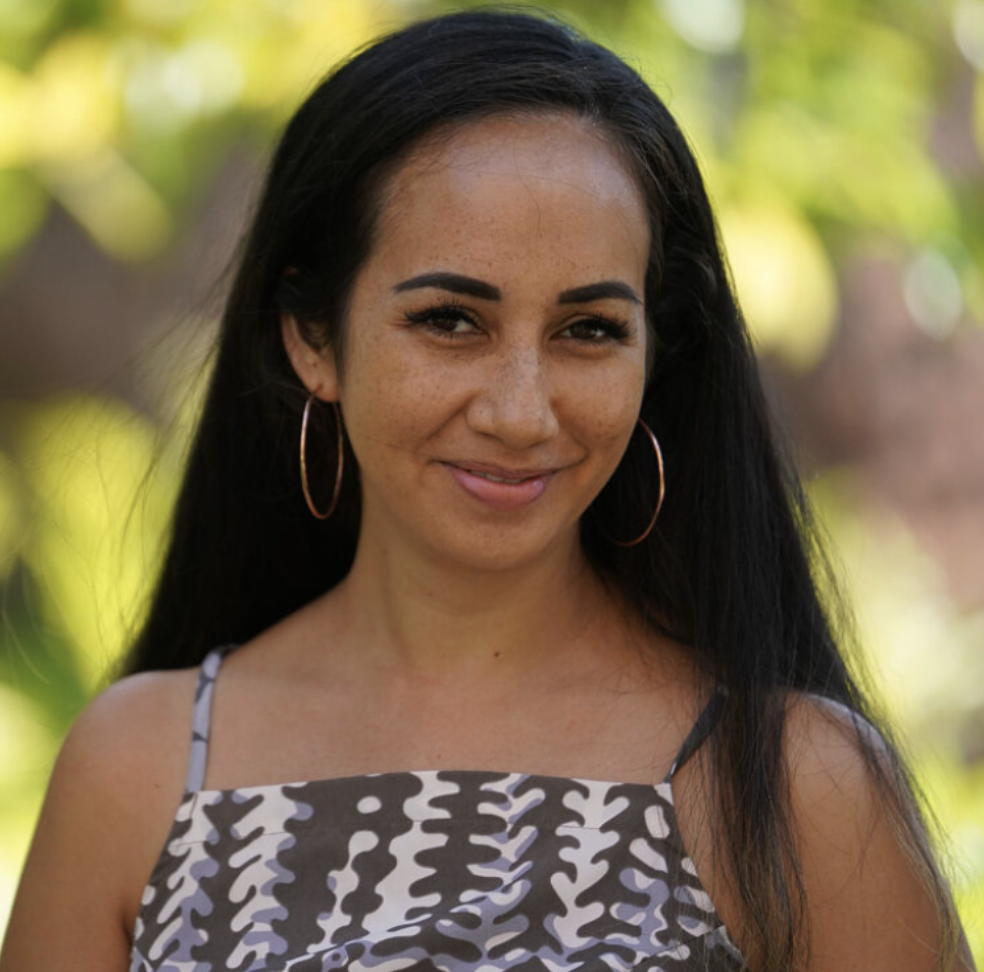
Dr. Waiʻaleʻale Arroyo is a mother, executive, educator and cultural practitioner. She is the Vice President of Hiʻialo at Kamehameha Schools, having just completed her time as the interim Kapālama Head of school. She also served as a public charter Head of School and Chief of Staff for the Department of Hawaiian Home Lands. She holds an Ed.D. in educational practice, an M.Ed. in leadership, an MBA, and a B.Ed in elementary education with an emphasis in Hawaiian language and culture.
-
Presenter
In 2009, Mailani released her first solo Hawaiian album and garnered her first Femail Vocalist OTY in 2010. She has performed to sould out crowds throughout the islands, America, Japan, Mexico, South Korea, Australia, and even Ireland. Beyond her awards and travels, Mailani upholds her cultural integrity and responsibility in speaking her language and in giving back to her community young and old. One of her most proud achievements was sharing and teaching 'ukulele and singing Hawaiian songs at Pohai Nani; a care home for kupuna.
-
Presenter
Nālani Balutski is from Heʻeia and Kahaluʻu, Oʻahu, and currently resides in Kapālama. She is a faculty specialist with the Hawaiʻinuiākea School of Hawaiian Knowledge and Native Hawaiian Student Services at the University of Hawaiʻi at Mānoa, where she has been for over 16 years, designing, implementing and seeking funding for programs in support of Hawaiian student success. She has a Bachelor's degree in Business Administration from Loyola Marymount University, Master's Degrees in Hawaiian Studies and Educational Administration from the University of Hawaiʻi at Mānoa, and a PhD in Education, also from the University of Hawaiʻi at Mānoa. Her dissertation surveyed the development of the Hawaiian higher educational system in the 19th century Hawaiian Kingdom as a strategy of Hawaiian leadership in promoting and protecting Hawaiian independence.
-
Presenter
Chantal holds a Master of Social Work from the University of Hawai‘i at Mānoa, Myron B. Thompson School of Social Work. With more than a decade of experience in community program development and implementation in Homestead communities, she is also a mother of seven-plus. Her work centers on building resiliency and expanding resources to foster healthy, sustainable relationships and lifestyles while perpetuating social justice and cultural awareness, to underserved individuals, families, and communities.
-
Presenter
Manu Kaʻiama hails from Kaʻelepulu, Oʻahu. She has an undergraduate degree in Business Administration and two master degrees, one in Accounting from the Shidler College of Business and the other in Hawaiian Studies from Kamakakūokalani Center of Hawaiian Studies. She enjoys a joint appointment as an instructor at both the School of Accountancy, Shidler College of Business and at Kamakakūokalani Center for Hawaiian Studies. As a serious supported of higher education for our Nation, she has fundraised over 15 million dollars to be used predominantly for scholarship support for Native Hawaiian students.
As a cultural practitioner in hula and chant, she is fascinated by researching mele. Manu’s interests include value-driven Native Hawaiian businesses, Island sustainability and “thrivability,” successful economic models for independent island Nations, among other topics. She is a serious supporter of justice for Hawaiians.
-
Katrina-Ann R. Kapāʻanaokalāokeola Oliveira is the interim Vice Provost for Student Success at the University of Hawaiʻi at Mānoa. She holds dual bachelor’s degrees in Hawaiian Language and Hawaiian Studies, a Graduate Certificate in Conflict Resolution, a master's degree in Geography, a master of Business Administration degree, and a doctorate in Geography from the University of Hawaiʻi Mānoa. She is also a certified Co-Active Coach.


ROOM 1
7:45 - 8:00 AM
WELCOMING REMARKS
8:00 - 8:50 AM
DR. KŪ KAHAKALAU
Basic Hawaiian: Reconnecting to our Ancestral Language Hawaiian Style
Basic Hawaiian is an innovative, highly interactive online program designed to help 21st-century kanaka develop conversational fluency in ʻōlelo Hawaiʻi through culturally-driven, game-based learning. Grounded in a traditional Pedagogy of Aloha, Basic Hawaiian integrates over 1,000 vocabulary words, basic sentence patterns, mele, oli and ʻōlelo noʻeau, emphasizing real-life communication, cultural values, and accessibility through a mobile-friendly, asynchronous format. Designed for youth, young adults, lifelong learners and Hawaiian ʻohana, the program makes Hawaiian language learning engaging, practical, and deeply connected to living as a Hawaiian in everyday contexts.
9:00 - 9:50 AM
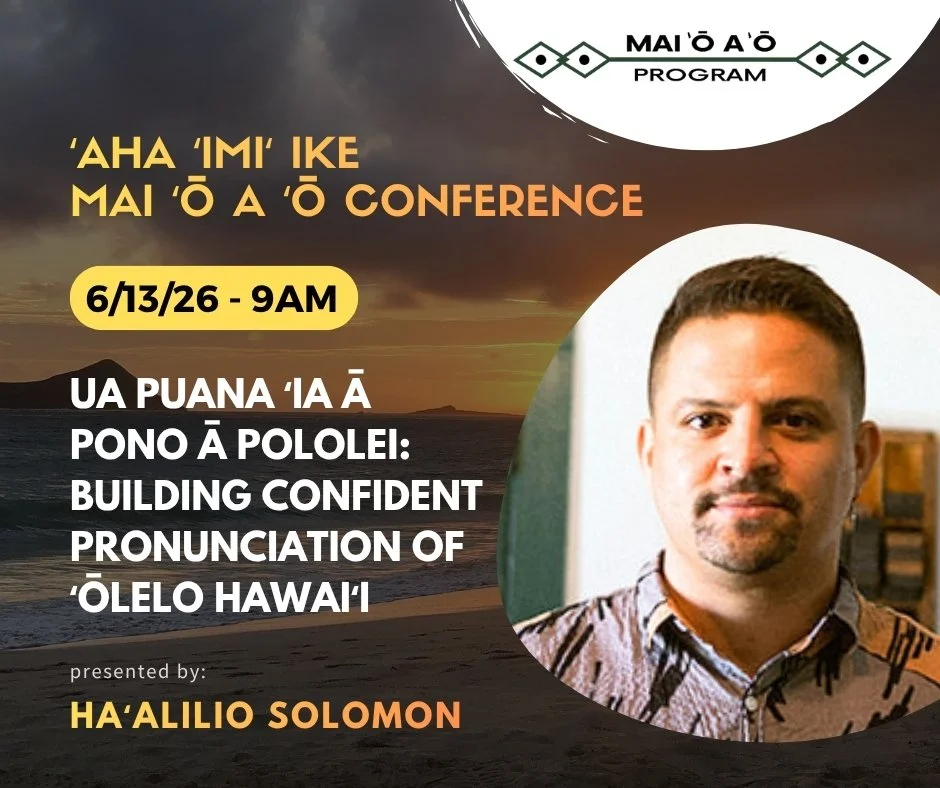
DR. N. HAʻALILIO SOLOMON
Ua Puana ʻia ā Pono ā Pololei: Building Confident Pronunciation of ʻŌlelo Hawaiʻi
In Hawaiʻi's society, there are limited opportunities to interact with ʻōlelo Hawaiʻi, reducing one's chances to "taste" the language. As we strive to renormalize our language, it is useful to know explicitly the linguistic rules that dictate the traditional pronunciation of ʻōlelo Hawaiʻi. This presentation covers such rules, with examples, and invites participation on the audience's behalf to try them out as we "taste" our language together.
10:00 - 10:50AM
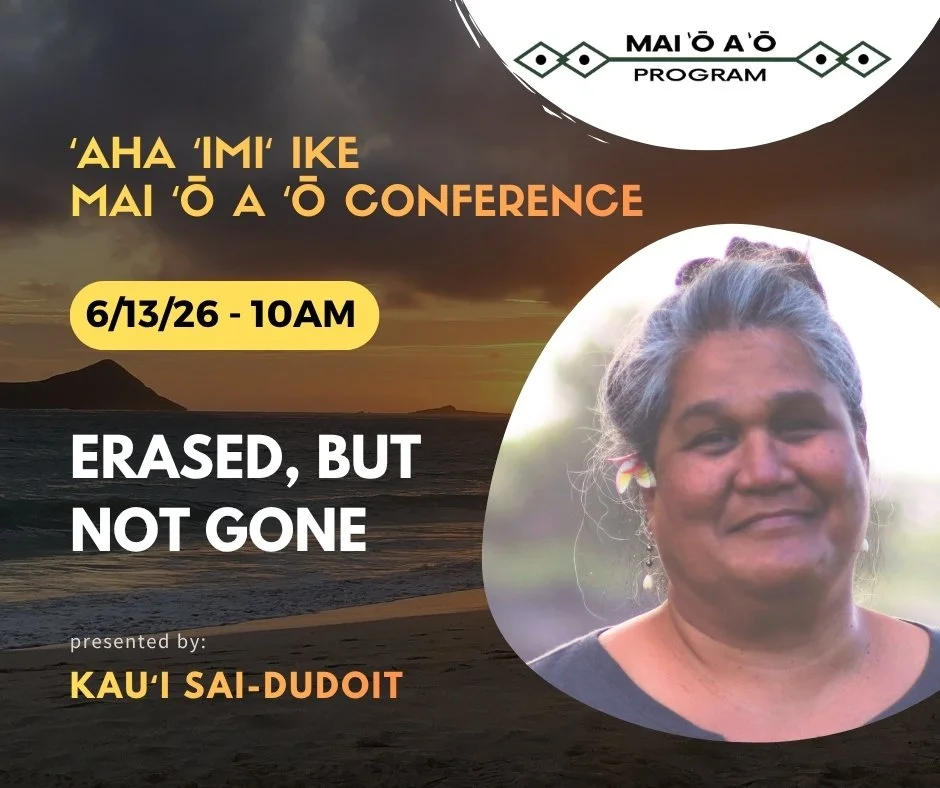
KAUʻI SAI-DUDOIT
Erased, but Not Gone
This 45-minute talk examines the disconnect from our history and how that disconnection affects us today. It looks at how the forced political rupture of Hawaiʻi, Americanization, education, and the suppression of Hawaiian knowledge disrupted generational continuity and distanced us from the stories that once grounded our identity. By understanding the problem, we can begin to reclaim our identity.
11:00 - 11:50 AM
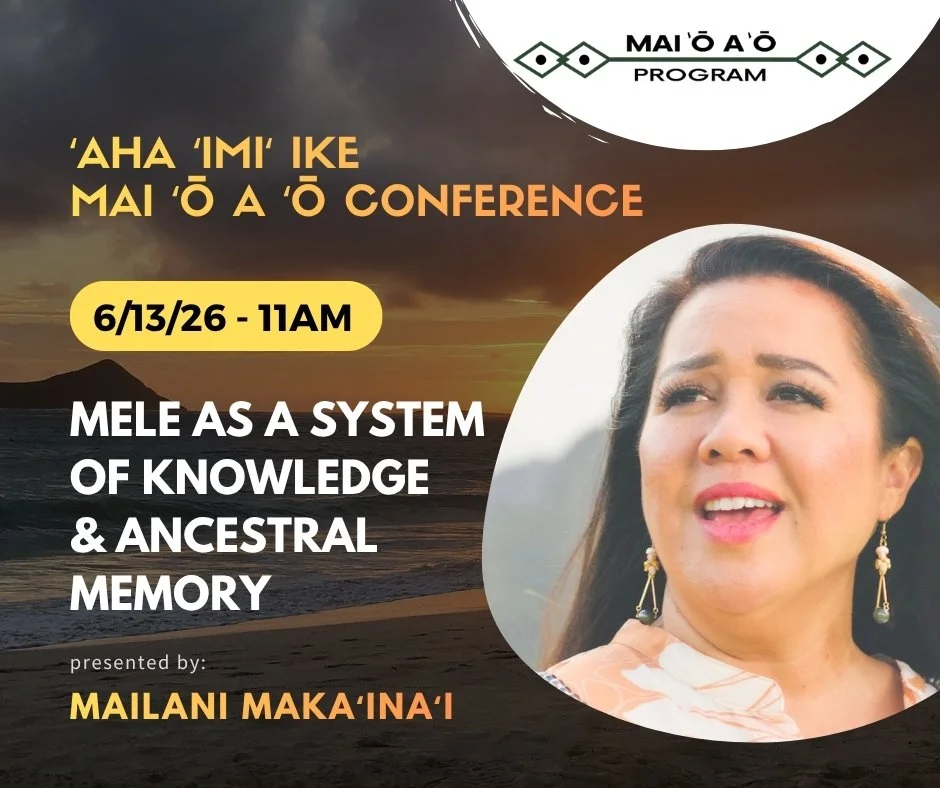
MAILANI MAKAʻINAʻI
Mele as a System of Knowledge & Ancestral Memory
I would like to share Mele that covers history, ʻāina, Hula, both from the past and Mele being created today. How it triggers ancestral memory, the significance of learning, knowing, and sharing our mele to our youth, and how it is a bridge to both our past and future.
11:50 AM - 12:15 PM
CLOSING REMARKS
ROOM 2
7:45 - 8:00 AM
PLEASE JOIN ROOM 1
8:00 - 8:50 AM
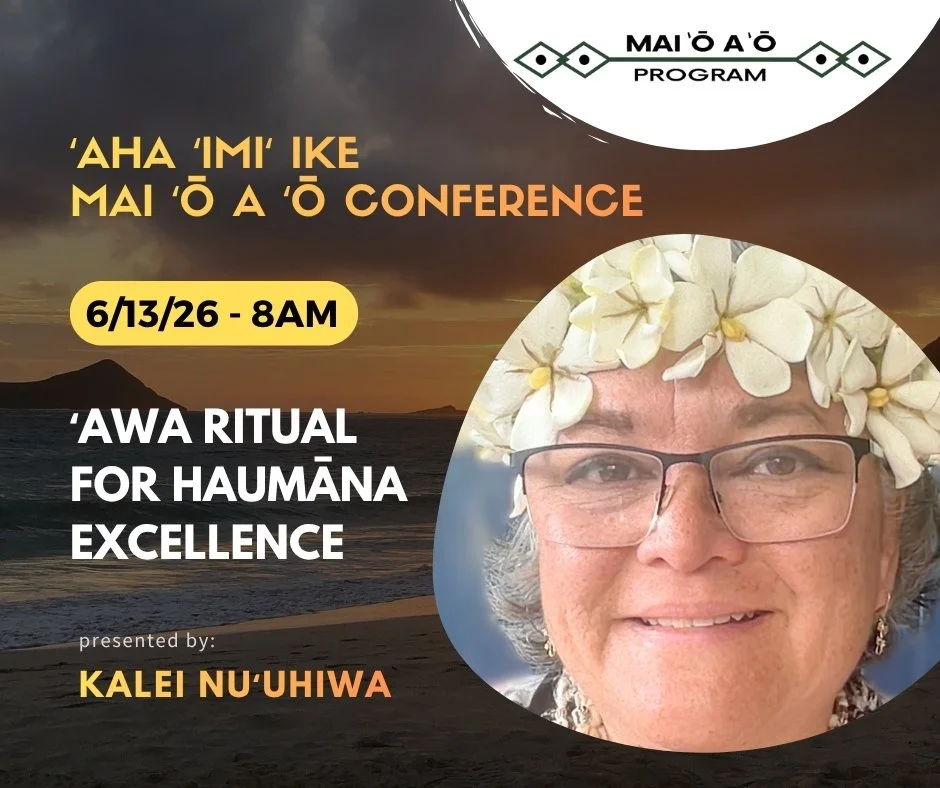
DR. KALEI NUʻUHIWA
ʻAwa Ritual for Haumāna Excellence
This workshop is intended for teachers who teach a capstone-like project or course that might be interested in incorporating an ʻawa ritual to ritualize the end of their project. Bring with you an ʻapu ʻawa (coconut cup), ʻawa or wai, and a mat to set your ʻapu upon.
9:00 - 9:50 AM
NĀLANI BALUTSKI
"A Nation Can Scarcely be Too Lavish in the Training of its Children": The Hawaiian Youths Abroad Program
Native Hawaiian Student Services (NHSS) at the University of Hawaiʻi at Mānoa “restarted” the spirit of the Hawaiian Youths Abroad (HYA) program in Summer 2018, after a 126-year hiatus. With a similar intent to the original program, the NHSS Hawaiian Youths Abroad program provides similar and appropriate points of examination by exploring both the Hawaiian Kingdom educational and international diplomacy prowess in the 19th century while critically examining the illegal attempts that have attempted to exterminate such progress. The contemporary program aims to connect a new generation of Hawaiian scholars with the legacies of their ancestors and their goals to serve their community and people.
10:00 - 10:50AM
KAHIA WALKER
He Moku He Waʻa: Revitalizing Identity Through Voyaging Education in Koʻolauloa
This presentation explores how voyaging education can be implemented within elementary schools to strengthen cultural identity, sense of place, and ʻike Hawaiʻi among students. Drawing from the Koʻolauloa Voyaging Education Program, it highlights hands-on teaching methods such as kilo, star navigation, and waʻa-based learning in both English and Hawaiian immersion classrooms. It also discusses the broader vision of building a community pathway from classroom learning to ocean voyaging, reconnecting the next generation to their ancestors and the Pacific.
11:00 - 11:50 AM
PLEASE JOIN ROOM 1 (MAILANI MAKAʻINAʻI) OR ROOM 3 (BRUCE KAIMI WATSON)
11:50 AM - 12:15 PM
PLEASE JOIN ROOM 1
for CLOSING REMARKS
ROOM 3
7:45 - 8:00 AM
PLEASE JOIN ROOM 1
8:00 - 8:50 AM
MANU KAʻIAMA
Being a Professional in Non-Kanaka Settings
How do we honor our ancestors while working in non-kanaka settings? This presentation explores the challenges we face while maneuvering through our day-to-day life with people who just don’t get it and possibly live here.
9:00 - 9:50 AM
CHANTAL KELIʻIHOʻOMALU
Village Rising; Insights into Community Social Work
Programs and services in Native Hawaiian Communities using Macro level Social Work. For Community by Community models. Overview of social work theories and community building.
10:00 - 10:50AM
DR. WAIʻALEʻALE ARROYO
Kūikawā- Leading in the Moment
Dr. Arroyo explores the concept of Kūikawā—standing in one’s own space—and examines the lessons derived from leading during critical moments. Drawing from her Hawaiian cultural practices, she reflects on how these experiences guided her leadership approach- whether it be interim, transitional or your first 100 days.
11:00 - 11:50 AM
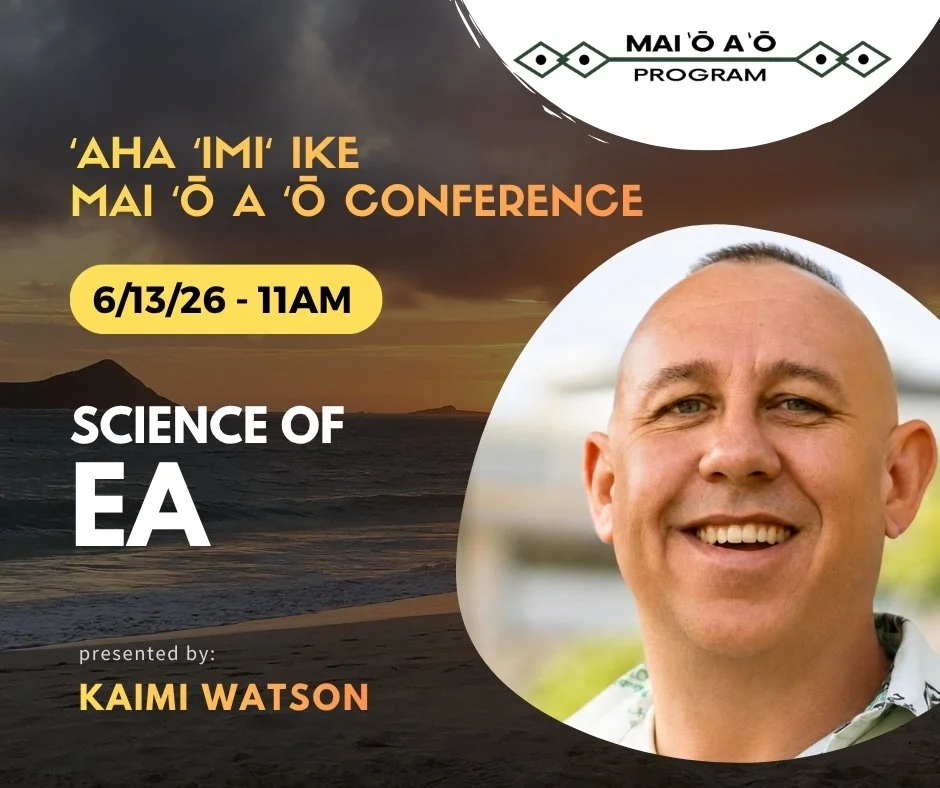
BRUCE KAIMI WATSON
Science of EA
Many have come to understand “EA” primarily through politics. But in his 1871 haiolelo at Manoa, Davida K. Kahalemaile opened not with politics but with science. He gifted us five nested definitions, beginning with "ke ea o na i-a, he wai," and building up to the fifth, which calls to celebrate Hawaii's capacity to "noho Aupuni ana." Recent scholarship on ea has deepened our understanding of ea’s relationship to sovereignty, but the scientific pilina embedded in Kahalemaile’s framework has gone unexamined. This project asserts that Kahalemaile’s focus on “ke ea e pili ana i na mea ola o ka honua” – to attend to the pilina between and amongst matter–truly matters. His understanding of the relationship between that which lives in liquid and the liquid itself, between organism and medium, is not metaphorical. Kahalemaile outlined a Hawaii taxonomy in which ea is the organizing principle–a scalar progression from organism to ecosystem in which ea is the operative relation at every level. This chapter returns to Kahalemaile’s discussion by convening Manoa Kanakademics in the sciences to read each definition through their disciplinary registers. What does science reveal that politics may ignore? To reclaim ea is to aloha ʻāina not just politically, but scientifically.
11:50 AM - 12:15 PM
PLEASE JOIN ROOM 1
for CLOSING REMARKS
PREVIOUS CONFERENCE RECORDINGS
CLICK HERE TO SEE PRESENTATIONS FROM OUR NATIVE HAWAIIAN LEADERSHIP CONFERENCE